工业焊接
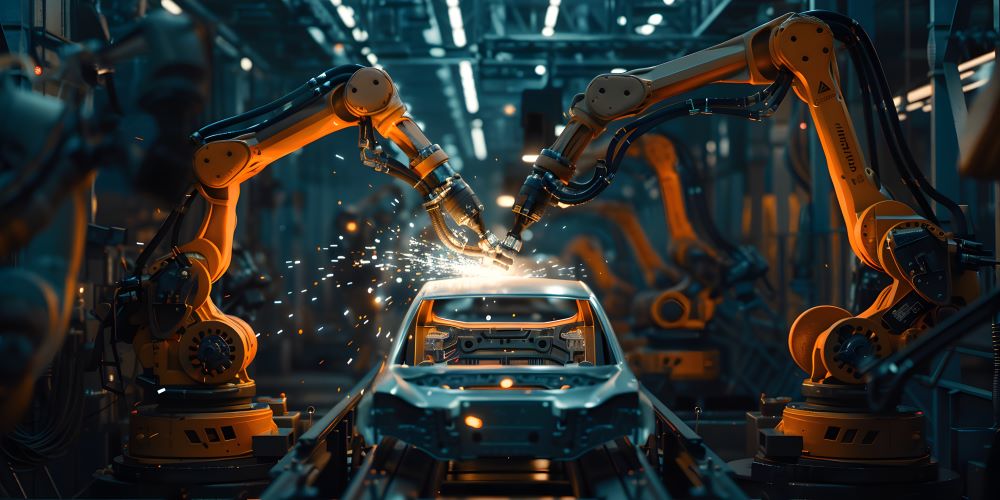
现代高效焊接设备
工业焊接设备通过利用受控的热量和/或压力,实现金属的永久连接,从而构成了现代制造和建筑行业的支柱。了解焊接技术的发展趋势、现代逆变器拓扑结构,以及宽禁带半导体在提高系统效率方面的应用。
现代工业的焊接设备
焊接设备系统融合了先进的电力电子技术、控制系统、机械子系统以及工艺监测技术,可实现精确、可重复且高质量的焊接工艺。焊接设备广泛应用于汽车车身装配、造船、航空航天结构、管道、重型机械以及可再生能源设施等领域。 现代焊接解决方案支持多种工艺,包括电弧焊接、电阻焊接、激光焊接等,每种工艺均针对特定材料和生产要求进行了优化。
工业焊接受一系列标准约束,这些标准确保了焊缝质量、安全性、可靠性以及工艺的一致性。焊接工艺标准(包括ISO 15614和ASME 第 IX 节)规定了焊接工艺在投入生产使用前应如何制定、测试和认证。 焊缝质量根据ISO 5817等标准进行评估。每个行业领域和焊接类型都有各自的标准,这些标准提出了额外的要求,以确保焊接结构满足严格的性能和安全要求。
当今的焊接设备主要基于高频逆变技术,该技术将传统的变压器式焊机转变为紧凑、轻便且节能的系统。逆变器将交流输入电源转换为受控的低电压、大电流输出,以维持稳定的焊接电弧。 高频开关技术不仅允许使用更小的磁性元件,还能改善焊接电流和电压的动态控制。先进的数字控制器持续监测焊接参数,以优化电弧稳定性、提高焊缝质量,并支持自动化和机器人焊接平台。
工业焊接设备的一个关键趋势是采用先进的半导体技术,以提高效率、功率密度和可靠性。虽然IGBT因其坚固性和大电流能力仍被广泛使用,但碳化硅MOSFET和碳化硅级联JFET正逐渐受到青睐。 这些宽禁带器件具有更低的开关损耗、更高的耐温性和更快的开关速度,从而支持使用更小的无源元件、降低散热要求,并实现更紧凑的焊接系统。因此,制造商可以在不牺牲电弧性能或长期可靠性的前提下,实现更高的效率。
焊接设备市场正朝着更高自动化、更强互联性和更可持续的方向发展。机器人焊接单元、实时工艺监控、预测性维护和数字化可追溯性正成为大批量制造中的标准配置。 尽管电弧焊接因其通用性和成本效益仍占据主导地位,但激光焊接、搅拌摩擦焊接、混合焊接和电池焊接工艺正在迅速扩展,特别是在电动汽车和航空航天领域。为了提高生产率、焊接质量和能源效率,现代焊接系统越来越多地整合了先进的电力电子技术、智能控制和自动化技术,以提供可扩展且面向未来的解决方案。
产品
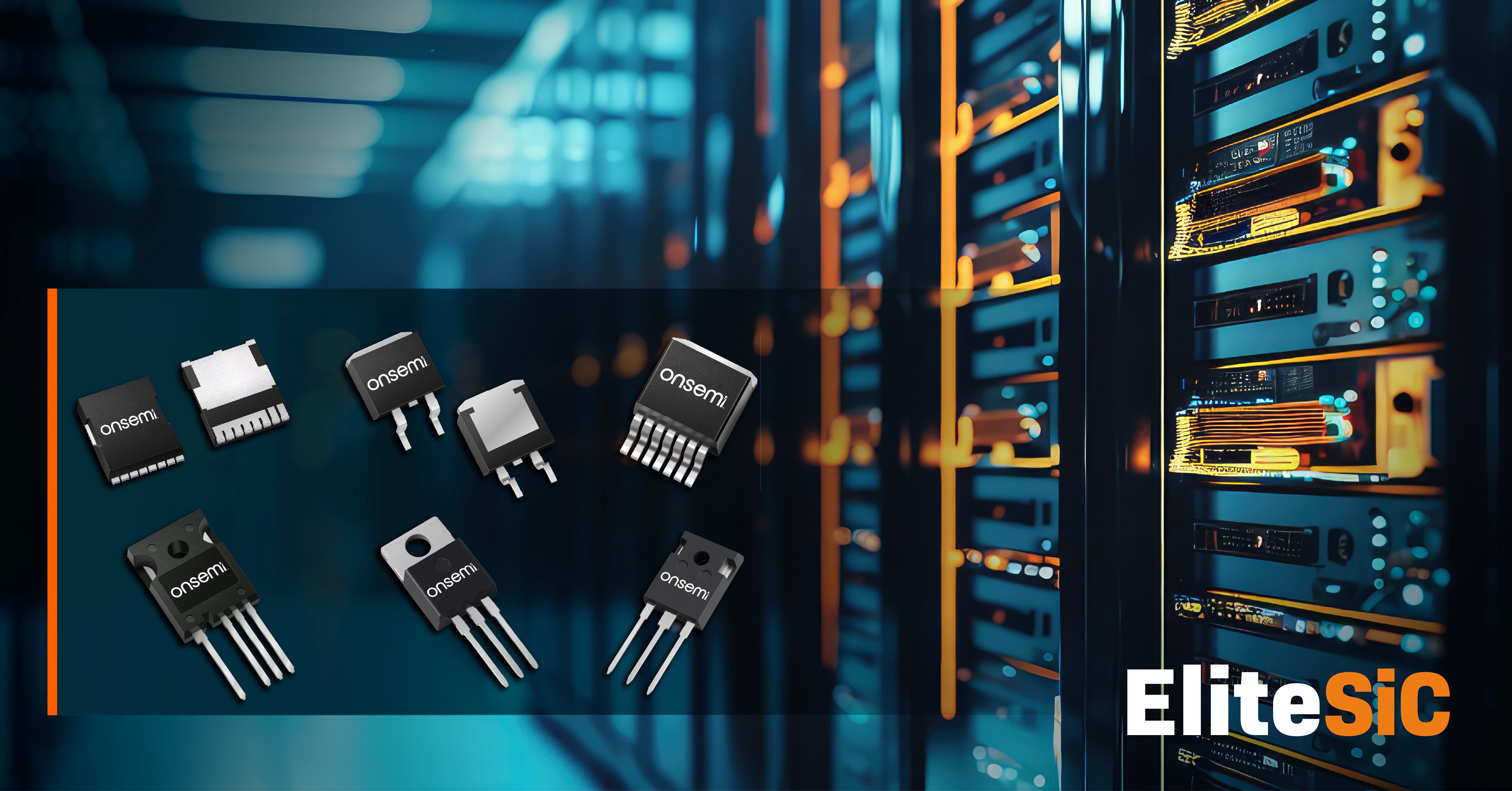
Silicon Carbide (SiC) MOSFETs
Our SiC MOSFETs are designed to be fast and rugged and include system benefits from high efficiency to reduced system size and cost. MOSFETs are metal–oxide–semiconductor field-effect transistors with insulated gates. These silicon carbide MOSFETs have a higher blocking voltage and higher thermal conductivity than silicon MOSFETs, despite having similar design elements. SiC power devices also have a lower state resistance and 10 times the breakdown strength of regular silicon. In general, Systems with SiC MOSFETs have better performance and increased efficiency when compared to MOSFETs made with silicon material.
There are many advantages to choosing SiC MOSFETs over silicon MOSFETs, such as higher switching frequencies. High-temperature development is also not a concern when using SiC MOSFET modules because these devices can operate efficiently even in high heat. Additionally, with SiC MOSFETs, you benefit from a more compact product size because all components (inductors, filters, etc.) are smaller.
IGBTs
Insulated Gate Bipolar Transistors (IGBTs) that offer maximum reliability in high performance power conversion applications.
Silicon Carbide (SiC) Cascode JFETs
Our high-performance SiC Cascode JFETs utilize a unique cascode configuration, integrating a high-performance SiC fast JFET with a cascode-optimized Si-MOSFET.
Silicon Carbide (SiC) Modules
SiC Modules contain SiC MOSFETs and SiC diodes. The boost modules are used in the DC-DC stages of solar inverters. These modules use SiC MOSFETs and SiC diodes with voltage ratings of 1200V.
A Silicon Carbide (SiC) Module is a power module that operates with Silicon Carbide semiconductors for its switch. The purpose of a SiC power module is the transformation of electrical power through switches to improve system efficiency.
The primary function of SiC Modules is to transform electrical power. Silicon Carbide offers an advantage over silicon because, with less resistance to move away from the source (due to increased efficiency), SiC devices can operate at a higher switching frequency. A SiC based system is also more compact and lightweight than a silicon solution, allowing for smaller designs. Therefore, SiC devices are the ideal solution for situations where you want to increase efficiency and improve your thermal management.
Low/Medium Voltage MOSFETs
Portfolio of comprehensive range of Low-medium voltage power Mosfets that delivers superior performance and reliability for switching applications. Our cutting-edge PowerTrench® T10 technology delivers industry leading RDS, higher power density, reduced switching losses and better thermal performance.
Gate Drivers
GaN, IGBT, FET, MOSFET, H-Bridge MOSFET, and SiC MOSFET inverting and non-inverting drivers ideal for switching applications.
Power Factor Controllers
NCP1681
Totem-Pole Continuous Conduction Mode (CCM) / Multi-mode (CrM-CCM) Power Factor Correction Controller
Power Factor Controllers
NCP1680
Totem-Pole Critical Conduction Mode (CrM) Power Factor Correction Controller
Ethernet Controllers
T30HM1TS2500
10BASE-T1S Ethernet Controller, Treo Platform, MAC-PHY with SPI Interface
Ethernet Controllers
NCN26000
10BASE-T1S Ethernet PHY with MII interface
Ethernet Controllers
NCN26010
Ethernet Controller, 10 Mb/s, Single-Pair, MAC + PHY, 802.3cg, 10BASE−T1S Compliant
Digital Isolators
Products that use a high frequency modulated signal to transmit high speed digital data across a capacitive isolation barrier.
Documents
Eval Board: Manual
Discrete Double Pulse Tester Evaluation Board User's Manual
Eval Board: Manual
Discrete Double Pulse Tester - Extension Daughter Cards Set Evaluation Board User's Manual
Eval Board: Manual
Hotplate and Double Pulse Generator Evaluation Board User's Manual
Collateral Brochure
Power Supply Solutions
White Papers
Popular Topologies in Offline Power Supplies
Application Notes
使用隔离式栅极驱动器高效驱动 SiC MOSFET 指南
Application Notes
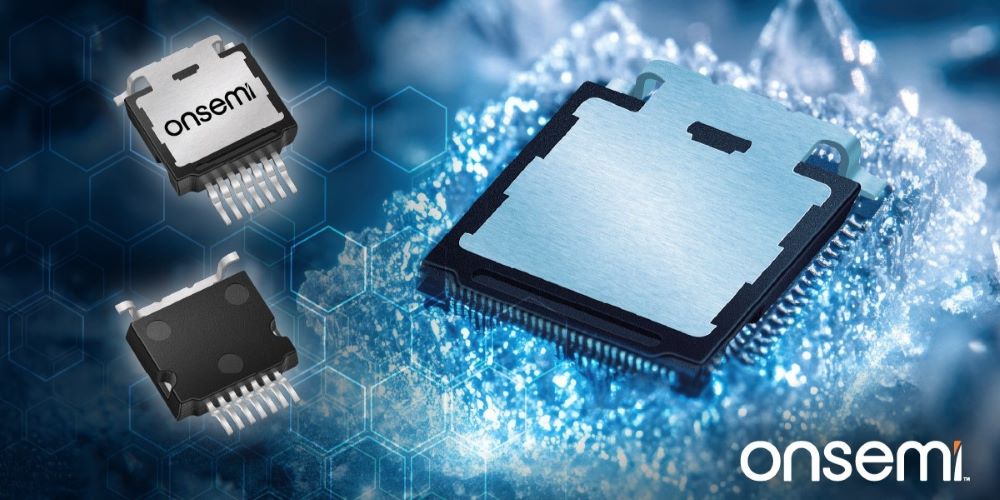
T2PAK: 适用于汽车和工业高压应用的顶部散热封装
White Papers
Engineering Essentials: Choosing Between Digital Isolators or Optocouplers
White Papers
onsemi EliteSiC M3S Technology for High-Speed Switching Applications
Application Notes
Top Cool Package for Power Discrete MOSFETs
Application Notes
SiC Cascode JFETs: A Comparative Analysis of Inverter Topologies and Modulation Techniques for Enhanced Efficiency
User's Manual
SiC Cascode JFET & Module User Guide
评估板/套件
Evaluation Board
EVBUM2897G-EVB
Evaluation Board for Double Pulse Testing discrete solutions
Evaluation Kit
EVBUM2909G-EVK
Discrete Double Pulse Tester – Extension Daughter Cards Set
Evaluation Board
EVBUM2901G-EVB
Hotplate and Double Pulse Generator Evaluation Board
常见问题解答
基于逆变器的焊机以高开关频率运行,因此可以使用体积更小的变压器和无源元件。这不仅使设备重量减轻、效率提高、电弧稳定性增强、动态响应更快、焊接性能更优,同时还能缩小整体系统尺寸并降低功耗。
设计人员必须在效率、功率密度、热管理、电磁干扰(EMI)、成本和可靠性之间取得平衡。焊接系统必须在恶劣的工作条件下提供大电流,同时保持稳定的电弧性能,最大限度地减少开关损耗,并满足安全和电磁兼容性要求。
工业焊机通常采用半桥、全桥、前向式转换器和全桥LLC谐振转换器等拓扑结构。具体选择取决于功率等级、效率目标、成本限制、电弧质量要求以及系统复杂度。LLC转换器具有最高的效率和电弧稳定性,而前向式转换器则因其可靠性高且结构简单而备受青睐。
与硅器件相比,碳化硅(SiC)MOSFET具有显著更低的开关损耗、更高的工作温度和更快的开关频率。这些特性使得磁性元件可以更小、散热要求降低、功率密度更高,并提高了整体系统效率,因此成为下一代焊接设备的理想选择。
主要趋势包括自动化程度不断提高、机器人焊接、实时质量监控、数字化互联,以及宽禁带半导体(如碳化硅MOSFET和碳化硅JFET)的应用。 这些技术能够提升效率、提高焊接一致性、增强可追溯性,并为汽车、航空航天、建筑和可再生能源等领域的应用提供更紧凑、更节能的焊接平台。
精选文章
为您精选的新闻和博文,挖掘创新灵感,洞见行业趋势。

2026年6月8日
2025年12月4日

2024年5月9日
2025年2月18日
Previous
Next
精选视频
浏览相关视频,以全新视角,探索更多细节。


industrial welding